What is GOAT Format?
GOAT Format is one of the most popular retro formats in the history of the Yu-Gi-Oh! Trading Card Game. It recreates competitive Yu-Gi-Oh! exactly as it was played in 2005, using the card pool and Forbidden & Limited List that defined the game during that period.
The format represents the competitive environment played after the August 2005 Forbidden & Limited List and before the release of Cybernetic Revolution. For many players, this era is considered one of the most balanced and skill-intensive periods in Yu-Gi-Oh! history.
What Makes GOAT Format Special?
Unlike modern Yu-Gi-Oh!, which often revolves around long combo sequences and powerful Extra Deck mechanics, GOAT Format focuses on resource management, card advantage, and careful decision making. Games are generally slower and more interactive, giving both players more opportunities to respond to each other's actions. Success is often determined by planning, positioning, and efficient use of resources rather than by executing a single powerful combo.
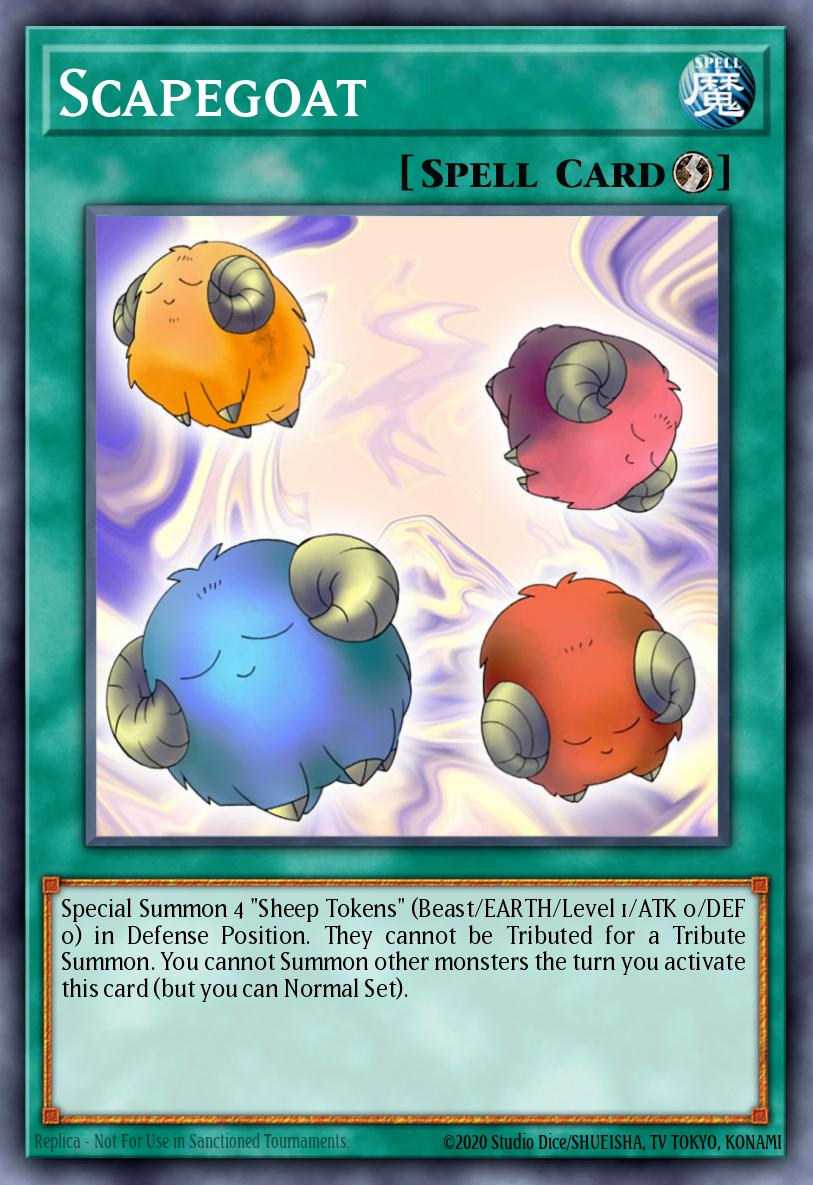
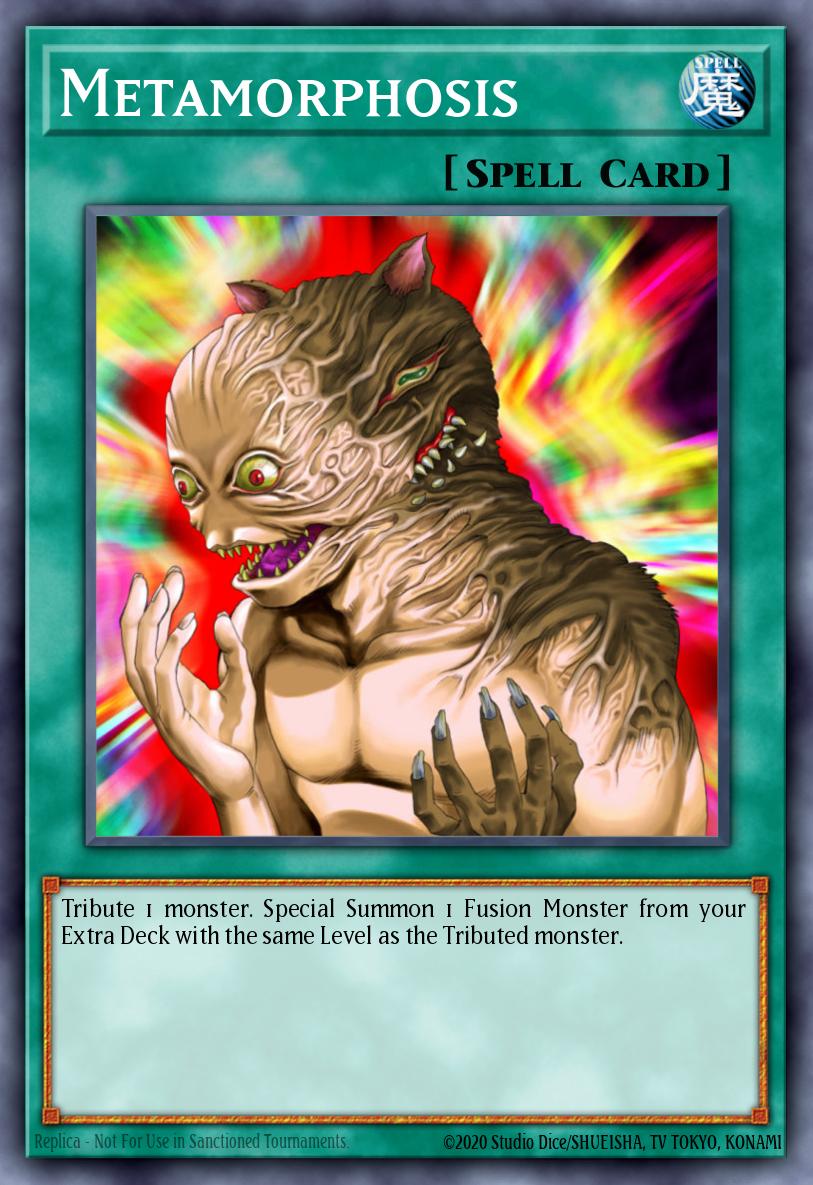
The name "GOAT Format" comes from the card Scapegoat, one of the defining cards of the era. Its interaction with Metamorphosis shaped many games and became so iconic that the community eventually adopted the term "GOAT Format" to describe the entire metagame.
GOAT Format was not created by Konami. It emerged years later as part of the growing retro format movement within the Yu-Gi-Oh! community. Players who wanted to revisit older eras of the game began organizing tournaments using historical card pools and banlists. Over time, the August 2005 format became the most popular of these retro formats and eventually became known simply as GOAT Format.
Banlist
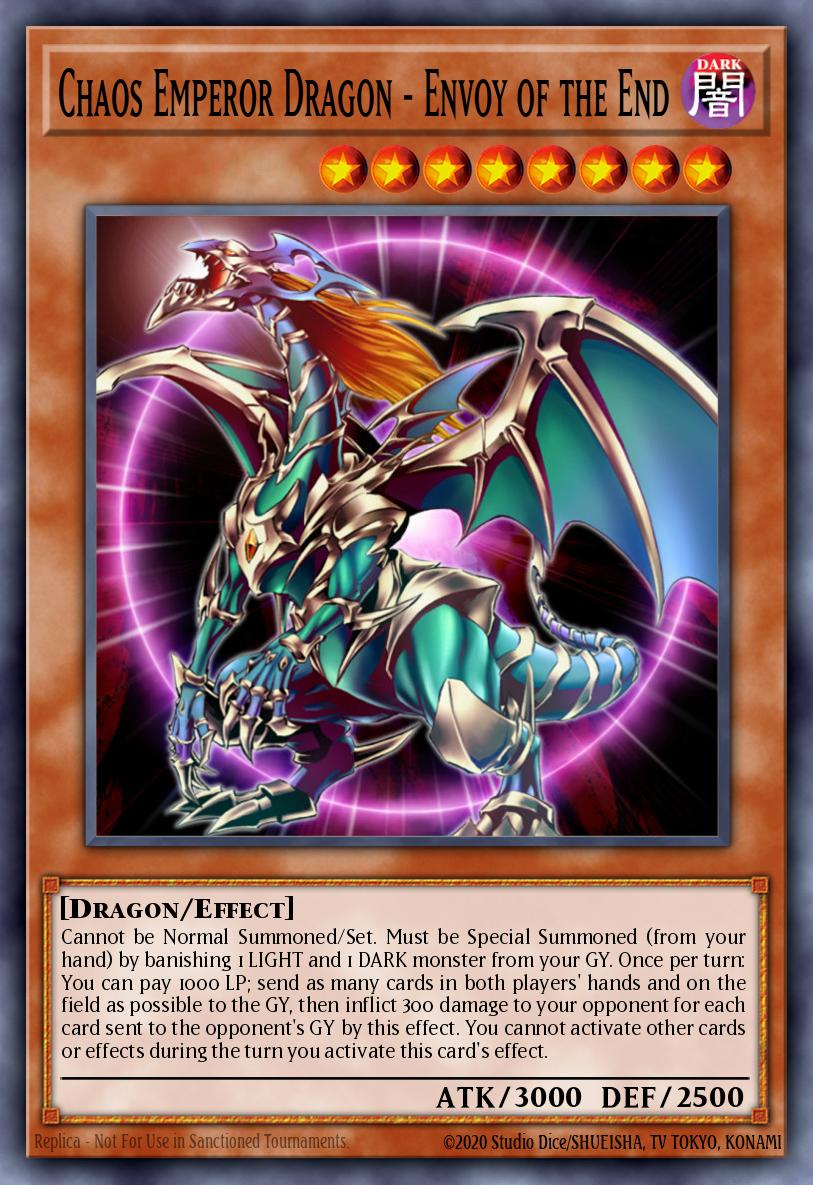
GOAT Format uses the August 2005 Forbidden & Limited List.
Forbidden
Hover or tap a card to preview it.
Limited
Semi-Limited
Rules and Card Errata
GOAT Format aims to reproduce the way Yu-Gi-Oh! was played in 2005 as accurately as possible. Some cards have received updated text, functional errata, or revised rulings since then. In addition, several game mechanics have changed over the years.
For this reason, GOAT Format relies on historical rulings and card behavior whenever they differ from the modern game. Players who are familiar only with modern Yu-Gi-Oh! should be aware that certain interactions and mechanics may work differently.
For a complete explanation of historical rulings, gameplay differences, card errata, and format-specific mechanics, please visit the Rules page.